Written & reviewed by MemoHoney Reviews Editorial Team Updated July 2026 Affiliate disclosure — we earn a commission on qualifying purchases
Home/What Is MemoHoney
MemoHoney

What Is MemoHoney?

A plain explanation of the formula, the two practical usage notes the label underplays, and the groups who should not take it without medical advice.

MemoHoney advanced memory support capsules

The short answer

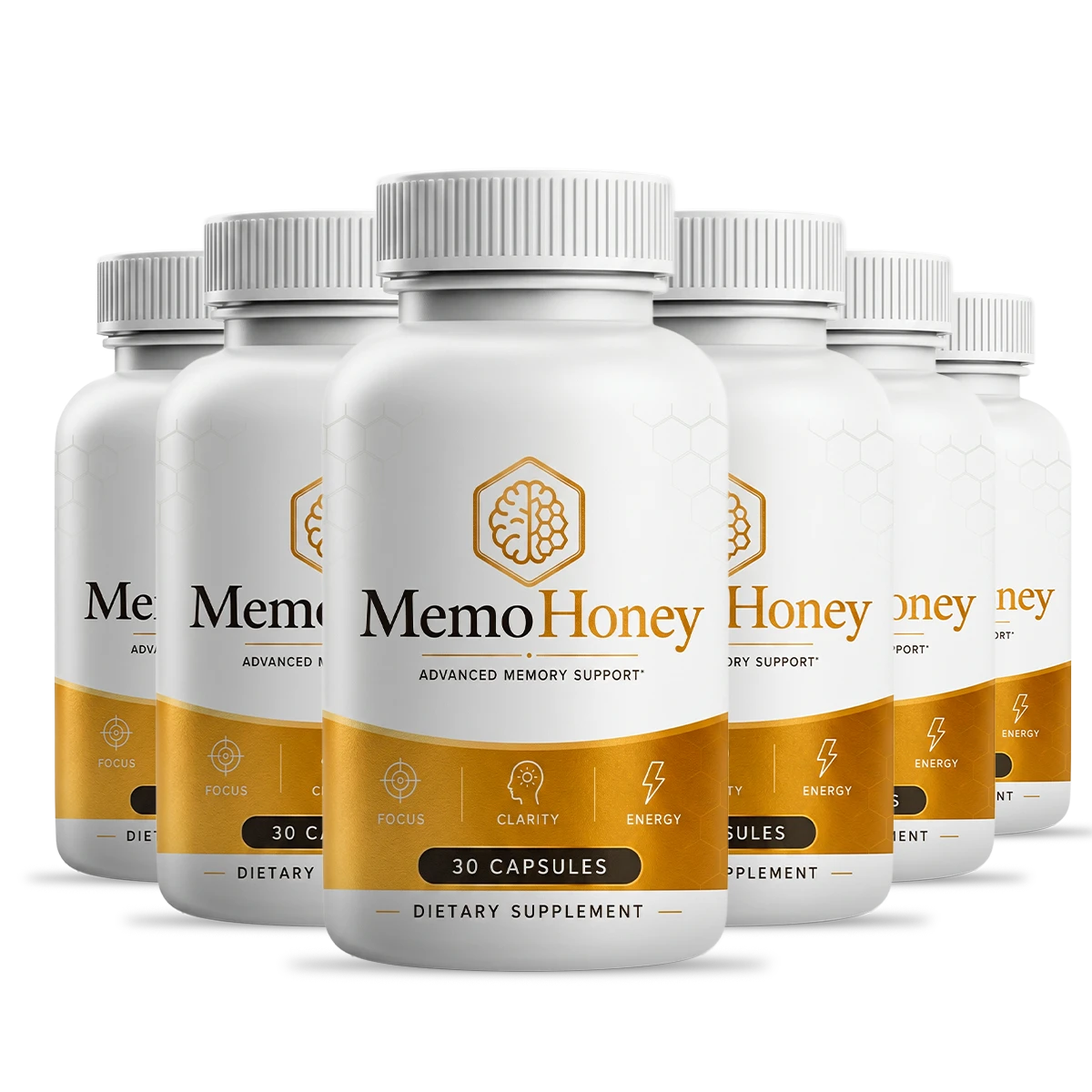
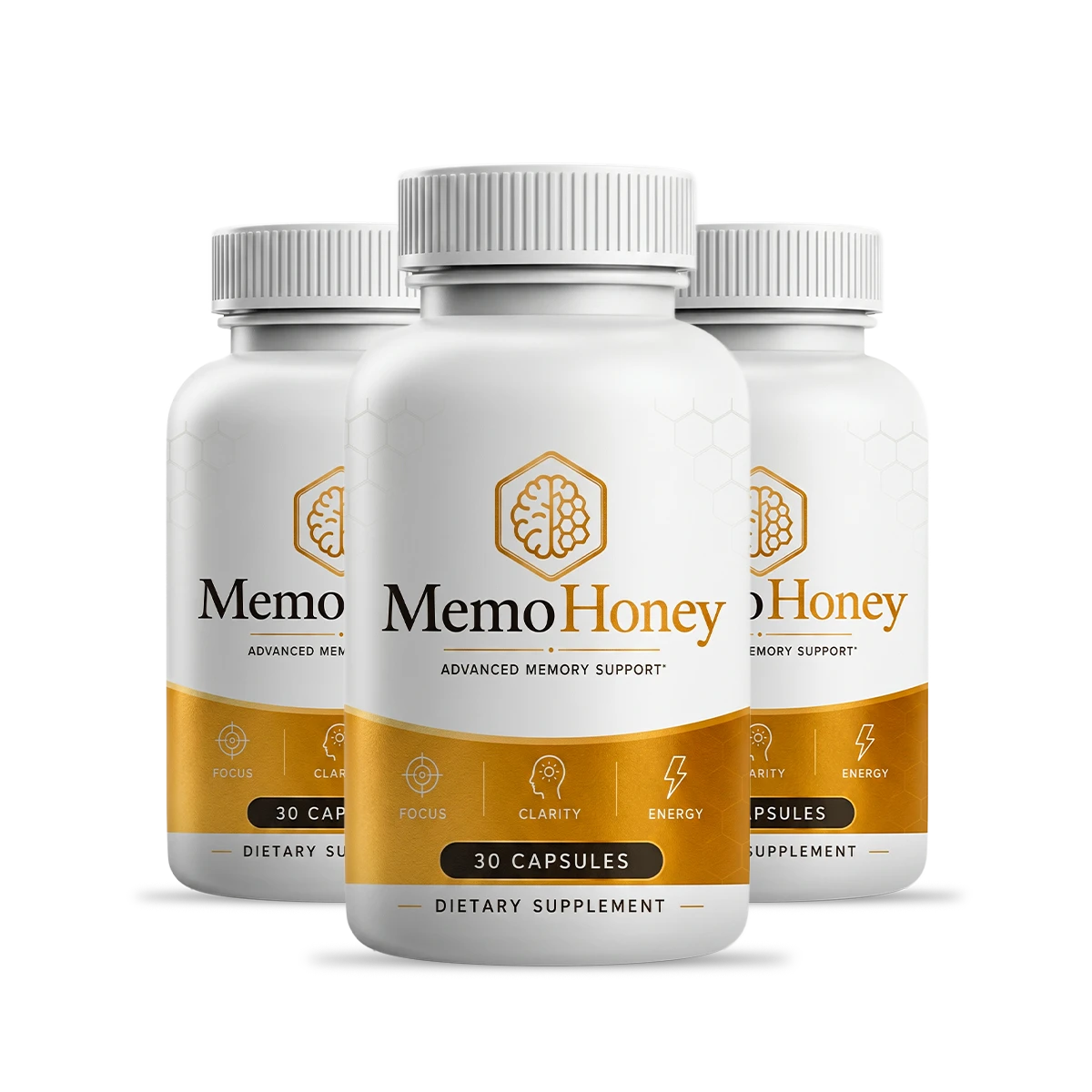
MemoHoney is a daily dietary supplement in capsule form, taken once each morning with water. Each bottle holds 30 capsules — a 30-day supply. It sits in the nootropic or cognitive-support category and is marketed for memory, focus and mental clarity.

The formula combines three botanical extracts with one amino acid: Bacopa monnieri, Rhodiola rosea, L-theanine and Panax ginseng. It is sold online in two, three and six-bottle bundles with a 60-day money-back guarantee.

What it is not. MemoHoney is not a medicine and not a treatment for Alzheimer's disease, dementia, mild cognitive impairment or any other condition. Dietary supplements in the United States cannot legally claim to treat, cure or prevent disease. If memory changes are interfering with daily life, that needs a doctor — see our section on when to seek assessment.

What a "nootropic" actually is

The term was coined in the early 1970s to describe compounds that improve cognition without significant toxicity or stimulant effects. It has since been stretched to cover almost anything marketed for the brain, from caffeine to prescription drugs to herbal blends like this one.

For a consumer supplement, the useful question is not whether it counts as a nootropic but what each individual ingredient has been shown to do, at what dose, over what period. Those three variables determine everything, and only the first is usually disclosed.

What is in it

  • Bacopa monnieri — an Ayurvedic herb, and the only ingredient here with meta-analysed evidence for memory in healthy adults. Effects appear at 8 to 12 weeks, not sooner.
  • Rhodiola rosea — an adaptogen with reasonable evidence for mental fatigue and stress-related performance decline.
  • L-theanine — an amino acid from tea leaves, well characterised for producing calm alertness. Its attention evidence is strongest when paired with caffeine.
  • Panax ginseng — studied for cognition with mixed results, more consistent for fatigue.

Our ingredients page covers each in detail, including research dosages and the standardisation question that matters more than most buyers realise.

About the name

Worth addressing briefly, since "MemoHoney" suggests honey is central. Honey has a long history in traditional medicine and some antioxidant content, but it is not a cognitive active in any meaningful sense and does not appear in the described ingredient list as a functional component. Treat the name as branding rather than as a claim about the formula.

How it is meant to be used

One capsule daily with water, preferably in the morning. There is no loading phase and no cycling protocol specified.

Two practical notes the label does not emphasise. First, take it with food rather than before — Bacopa commonly causes stomach upset on an empty stomach, and this is the single most common reason people stop taking it. Second, consistency over months matters far more than timing, because the ingredient carrying the memory claim works cumulatively.

Who it is aimed at

Healthy adults who want support with focus, mental fatigue and — over a longer horizon — memory. In practice the marketing reaches two rather different groups: younger people wanting a productivity edge, and older adults worried about age-related memory change.

Those two groups should approach it very differently. For the first, this is a low-stakes experiment. For the second, the priority is establishing whether there is something treatable going on before spending months on a supplement.

Who should not take it

  • Anyone taking warfarin or another anticoagulant — Panax ginseng has a documented interaction.
  • Anyone on diabetes medication — ginseng can affect blood glucose.
  • Anyone taking antidepressants, particularly MAOIs or SSRIs — Rhodiola may interact.
  • Anyone with thyroid medication or an existing thyroid condition, without checking first.
  • Anyone with bipolar disorder — stimulating adaptogens can be destabilising.
  • Pregnant or breastfeeding women.
  • Anyone under 18.
  • Anyone experiencing genuine memory decline who has not seen a doctor.

Detail in our article on nootropic safety and drug interactions.

Check current MemoHoney pricing

Package options and the 60-day guarantee are shown at the official checkout.

Check Current Price

Where to read next

How MemoHoney works for the mechanisms, the ingredients page for dosage analysis, or our full review for the verdict including who should skip it.

MemoHoney — memory & focus capsules · 60-day money-back guarantee

Check Current Price